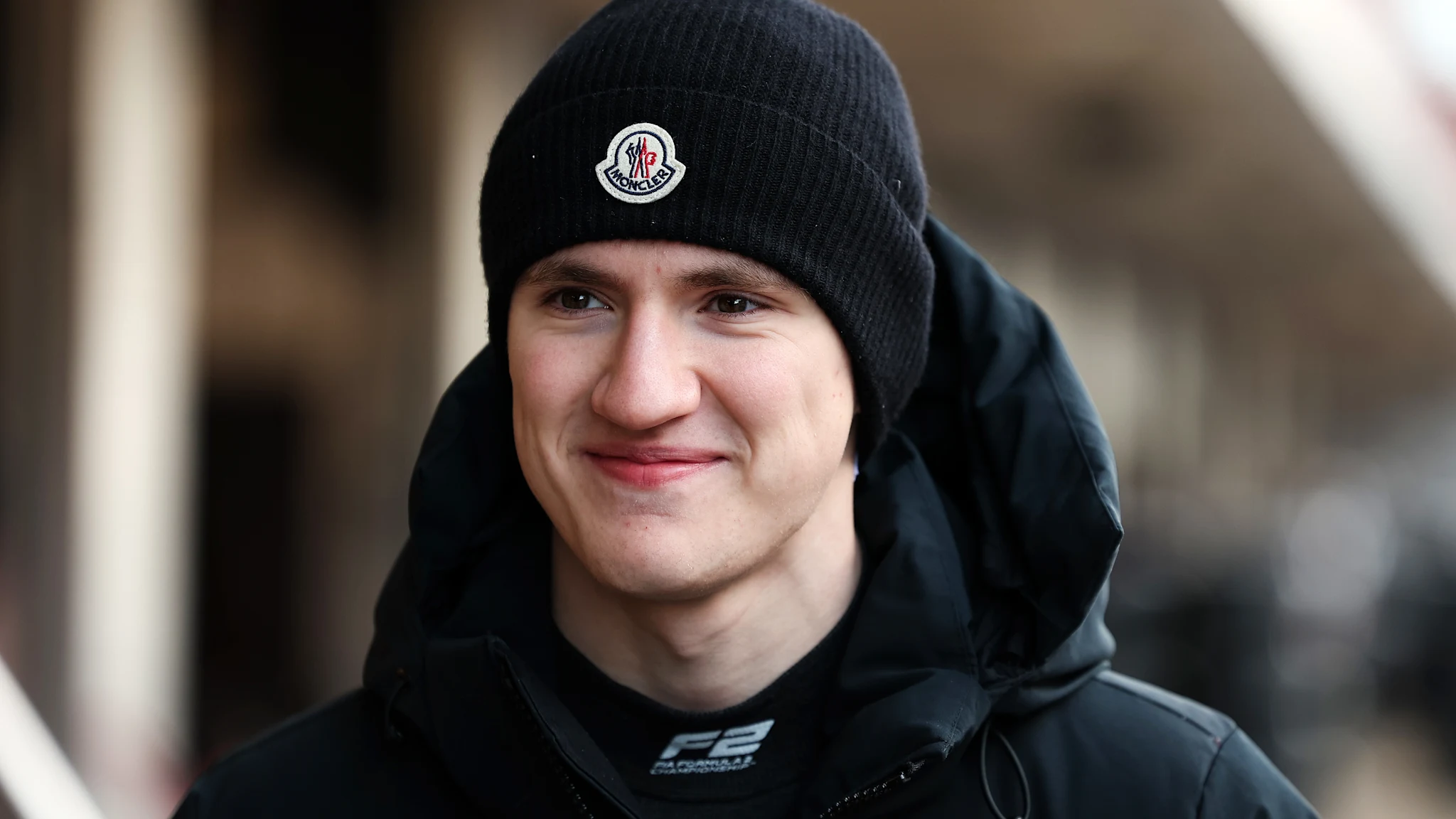
Alex Dunne's Australian F2 GP Crash: Inside the Alpine Incident
The roar of engines, the scent of burning rubber, and the palpable tension of a high-stakes race are the hallmarks of any Grand Prix weekend. Yet, sometimes, these spectacles are punctuated by moments of drama that transcend the mere competition, offering profound insights into the pressures and realities of professional motorsport. At the recent Australian Grand Prix, one such incident unfolded in the FIA Formula 2 Championship, placing Alpine Academy driver Alex Dunne squarely in the spotlight after a collision with his teammate, Martinius Stenshorne, while battling for the lead. This was a moment that not only reshaped the race but also ignited discussions about team dynamics, driver development, and the cutthroat nature of the feeder series on the global stage of the
Alpine GP Austrália.
Setting the Scene: The Alpine GP Austrália and F2 Stakes
The Australian Grand Prix, held at the iconic Albert Park Circuit in Melbourne, is always a highlight of the motorsport calendar. It's a prestigious event that draws immense global attention, not just for Formula 1 but also for its crucial support categories like Formula 2. For young drivers aspiring to reach F1, performing well on such a grand stage is paramount. Every lap, every overtake, and every point scored can significantly impact their trajectory, capturing the attention of F1 team principals and talent scouts.
Alpine, a prominent name in Formula 1, invests heavily in its driver academy, nurturing promising talents through the junior ranks. Alex Dunne is one such protégé, an Irish driver who has shown considerable potential. His presence in F2, a direct feeder series to F1, underscores Alpine's commitment to developing future champions. The pressure on these young drivers is immense; they are not just racing for themselves but also for the hopes and investments of their sponsoring teams. The expectation is clear: deliver results, demonstrate maturity, and avoid costly mistakes. This backdrop amplified the tension when Dunne, driving for Rodin Motorsport under the Alpine Academy banner, found himself in a fierce battle with his teammate, Martinius Stenshorne, at the
Alpine F2 Drama: Alex Dunne Collides with Teammate in Australia race.
The Incident Unfolds: Dunne vs. Stenshorne
The feature race at the Australian F2 Grand Prix had been a thrilling affair, with both Dunne and Stenshorne demonstrating strong pace and strategic prowess. As the race neared its climax, the two Rodin Motorsport drivers found themselves in the enviable, yet perilous, position of battling each other for the lead.
A Battle for Supremacy
Fighting for the lead in any race is exhilarating, but doing so against a teammate adds a layer of complexity. On one hand, it signifies a strong performance from the team as a whole, showcasing their car's capabilities and the drivers' talent. On the other hand, it creates a high-risk scenario. Both drivers are acutely aware of the team's shared goals, but their individual ambitions to win are equally powerful. This dynamic often leads to incredibly close racing, as neither driver wants to concede an inch. In Melbourne, Dunne and Stenshorne were locked in precisely such a contest, pushing the limits, corner after corner, with victory almost within grasp. The stakes were incredibly high for both, not just for the race win but for making a statement early in the championship season at the prestigious
Alpine F2 Drama: Alex Dunne Collides with Teammate in Australia.
The Critical Contact
The decisive moment came when Alex Dunne, in an aggressive move to seize the lead, made contact with Martinius Stenshorne. Racing incidents are an inherent part of motorsport, but collisions between teammates are often viewed with greater scrutiny, especially when they occur at the sharp end of the grid. Whether it was a misjudgment of braking points, a lapse in spatial awareness, or simply an overzealous attempt to gain position, the result was immediate and catastrophic for both Rodin cars. The contact compromised both drivers' races, forcing one or both out of contention and effectively costing the team a potential one-two finish.
Such incidents serve as stark reminders of the razor-thin margins in top-tier motorsport. A fraction of a second, a few centimeters, or a moment's hesitation can be the difference between glory and disappointment. For Alpine, who had invested in Dunne's development, watching two of their supported drivers collide for the lead would undoubtedly have been a bitter pill to swallow. It raises questions about race craft, judgment under pressure, and the intricate balance between individual ambition and team cohesion.
The Aftermath and Analysis
The immediate aftermath of a teammate collision is always fraught with tension, both on track and within the garage. Beyond the physical damage to the cars, there are significant psychological and strategic repercussions.
Immediate Repercussions
For the drivers involved, the disappointment is profound. Not only do they lose out on potential points and podium finishes, but they also face the scrutiny of their team, the media, and the wider motorsport community. Post-race investigations often follow, with stewards analyzing telemetry and video footage to determine fault and issue penalties if necessary. More importantly, the incident leaves a mark on the drivers' relationships and reputations. Dunne and Stenshorne, as teammates, now carry the weight of this shared incident, which could affect their future collaborations and trust on track. The team, Rodin Motorsport, suffers a double blow: damaged cars and a missed opportunity for a significant points haul, which can be crucial in the constructors' championship.
Alpine's Academy Perspective
For Alpine, this incident provides a tough, albeit valuable, learning experience within their driver academy. Alpine invests in young talent with the ultimate goal of producing future F1 drivers. While raw speed and aggression are desirable traits, the ability to race cleanly, manage pressure, and prioritize team objectives (when appropriate) are equally, if not more, important. A crash between teammates fighting for the lead, particularly one backed by the same F1 outfit like Alpine, puts a spotlight on the drivers' judgment and maturity.
Alpine's team management will undoubtedly be evaluating the incident, looking for teachable moments. What led to the contact? Was it avoidable? How can similar situations be prevented in the future? These are critical questions for any driver development program. It’s not just about pace; it’s about professionalism and consistency, attributes that are non-negotiable for an F1 seat. The incident at the
Alpine F2 Drama: Alex Dunne Collides with Teammate in Australia could therefore serve as a pivotal moment in Dunne's development pathway, highlighting areas for growth beyond mere speed.
Lessons Learned and Moving Forward
Every incident in motorsport, no matter how unfortunate, offers opportunities for reflection and improvement. The clash between Alex Dunne and Martinius Stenshorne is no exception, presenting crucial lessons for drivers, teams, and fans alike.
Navigating Teammate Dynamics
One of the most delicate aspects of professional racing is managing the relationship between teammates. While they share a common goal – to perform well for the team – they are also direct rivals. This inherent tension requires careful handling from both the drivers and the team management.
- Clear Communication: Teams often set guidelines for how drivers should race each other, especially when battling for positions. Clear radio communication can also help de-escalate situations or provide critical information about the race context.
- Respect and Trust: Drivers need to develop a level of mutual respect and trust. While aggressive racing is acceptable, intentionally jeopardizing a teammate's race is rarely condoned and can have long-lasting negative consequences.
- Learning from Mistakes: For Dunne and Stenshorne, a thorough debrief and honest self-assessment will be vital. Understanding where the error occurred, whether it was an isolated incident or part of a pattern, is crucial for personal and professional growth.
This incident highlights the fine line between competitive aggression and controlled racing, a balance that junior drivers must master if they hope to progress to the pinnacle of motorsport.
The Road Ahead for Young Talent
For Alex Dunne, this crash is a setback, but it certainly doesn't define his entire career. Many F1 legends have had similar incidents in their junior years. The key is how a driver responds to adversity.
- Resilience: Young drivers must develop mental resilience to bounce back from disappointment and learn from their errors without letting them derail their confidence.
- Adaptability: Understanding track conditions, opponent behavior, and adapting race craft accordingly are crucial skills.
- Consistency: While flashes of brilliance are exciting, consistent, clean, and strong performances are what ultimately impress F1 teams.
Alpine will be closely monitoring Dunne's response. His ability to move past this incident, demonstrate improved judgment, and continue delivering strong results will be a testament to his potential. Similarly, Stenshorne will need to maintain his focus and ensure that this incident doesn't affect his approach to racing or his trust in his teammates going forward.
As Alpine continues to strategize for its future, including high-profile events like the
Alpine's 2026 Australian GP Poster: What it Means for F1, the development of its academy drivers like Dunne remains a cornerstone of its long-term vision. Such incidents, while painful in the short term, are integral to forging the resilient and skilled drivers capable of competing at the highest levels.
Conclusion
Alex Dunne's collision with teammate Martinius Stenshorne at the
Alpine GP Austrália F2 Feature Race was a moment of intense drama and disappointment for both drivers and Rodin Motorsport, as well as for Alpine. It underscored the relentless pressure on young talents in feeder series and the delicate balance between individual ambition and team cohesion. While undoubtedly a setback, such incidents are often crucible moments in a driver's career, offering invaluable lessons in race craft, mental fortitude, and professional conduct. How Dunne and Stenshorne recover and learn from this experience will be a key determinant of their future trajectories in the highly competitive world of motorsport. For Alpine, it reinforces the multifaceted challenge of nurturing future champions, where raw speed must be tempered with astute judgment and unwavering professionalism. The journey to Formula 1 is never straightforward, and moments like these are often crucial stepping stones on that arduous path.